
Feta Cheese: History, Craft, and Greek Salad

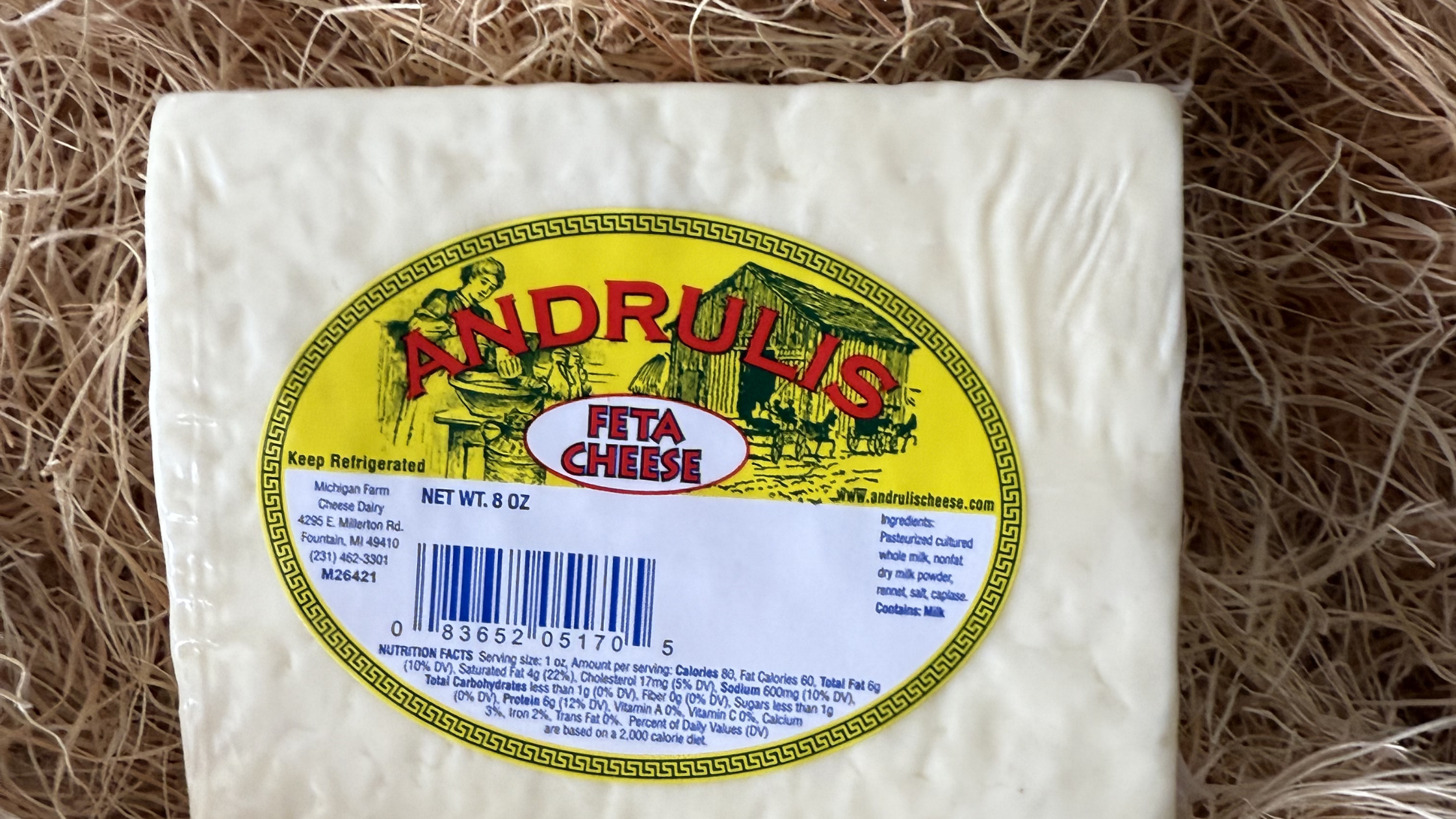
Feta cheese has traveled far from its Mediterranean roots to become a staple in American kitchens. Its bright flavor and crumbly texture make it one of the most recognizable brined cheeses in the world. Today, feta cheese is not only part of traditional Greek cooking but also a practical ingredient for everyday salads, baked dishes, and modern recipes.
The Origins of Feta Cheese
The story of feta cheese goes back thousands of years. References to brined white cheese appear in ancient Greek texts, including Homer’s “Odyssey,” where Cyclops Polyphemus is described storing sheep’s milk cheese in caves. While that cheese was not labeled feta, the technique of curdling milk and preserving it in brine formed the foundation of what would later become feta.
Historically, feta was made from sheep’s milk, sometimes blended with goat’s milk. The animals grazed on wild Mediterranean herbs, which subtly influenced the flavor of the milk. The cheese was pressed, salted, and stored in wooden barrels filled with brine. This preservation method allowed families to keep dairy usable in warm climates without refrigeration.
Unlike aged cheeses such as cheddar or parmesan, feta does not rely on long maturation. Its character comes from controlled fermentation and brining. The result is a tangy, slightly salty profile with a crumbly yet creamy body. This balance is what separates feta from other white cheeses. It is not elastic like mozzarella. It is not mild like fresh farmers cheese. It carries acidity that sharpens vegetables and balances rich ingredients.
In the European Union, the name “feta” is protected by designation of origin laws. Outside Europe, producers adapt the technique using local milk while following similar brining processes.
Domestic Feta Cheese: Michigan Production, Local Quality
Domestic feta cheese reflects how traditional cheese styles can be produced successfully outside their original region when the conditions are right.
Michigan is one of the leading dairy states in the United States. The climate supports strong pasture growth, and the dairy infrastructure allows consistent milk quality and food safety control. A reliable milk supply is critical for feta production because the cheese depends on freshness and precise fermentation rather than long aging.
Modern dairy facilities in Michigan can regulate temperature, humidity, and brining conditions carefully. This consistency supports the clean acidity and structured crumble expected from feta. High-quality cow’s milk, when handled correctly, produces a slightly milder but still bright result that fits American cooking preferences.
At Andrulis, we make feta because we genuinely appreciate its taste and versatility. We wanted to recreate that balanced profile in our own production environment. After refining the process and testing it in real recipes, the result was strong enough to share with our customers. Our feta is crafted for cooking. It is designed to complement vegetables, grains, and proteins rather than to be eaten alone.
Order Andrulis feta cheese online to try it yourself.
Why Feta Cheese Works So Well in Salads
Feta became closely associated with salads for practical and nutritional reasons.
In Mediterranean history, meals often centered around vegetables, olive oil, bread, and small portions of dairy. Feta added protein, calcium, and fat to otherwise plant based plates. Because it is brined, it delivers salt evenly across a dish without requiring additional seasoning.
Nutritionally, feta provides protein and calcium while typically containing less fat than many aged cheeses. Its concentrated flavor means smaller amounts can impact the entire bowl. That efficiency made it practical in traditional rural diets and continues to make sense in modern cooking.
The acidity of feta balances sweet vegetables such as tomatoes or roasted beets. Its saltiness contrasts well with watermelon or citrus. Its firm crumble holds shape, which prevents it from disappearing into leafy greens.
If you are searching for a recipe with feta cheese, salads remain one of the most effective ways to understand how it functions in a dish. For example, here’s the recipe for Andrulis-style sweet shrimp salad.
Why Greek Salad Is So Popular
Greek salad became popular because it reflects how Mediterranean families traditionally ate – fresh vegetables, olive oil, bread, and a portion of brined cheese for balance. Farmers would combine what was available in the garden with preserved olives and feta stored in brine. The cheese added salt, protein, and richness without cooking. Over time, this simple village dish traveled far beyond Greece because it is practical, nutritious, and easy to prepare.
Feta plays a central role. Its tangy flavor balances ripe tomatoes. Its firm crumble holds shape among cucumbers and onions. It seasons the entire bowl naturally.
Traditional Greek Salad with Andrulis Feta Cheese
- Large ripe tomatoes, cut into wedges
- Cucumber, sliced
- Red onion, thinly sliced
- Kalamata olives
- Andrulis feta cheese
- Extra virgin olive oil
- Dried oregano
Conclusion
From its ancient Mediterranean roots to modern Michigan production, feta has remained a practical and purposeful cheese. It was created to preserve milk, to season vegetables, and to bring balance to simple meals. That same logic still applies today. Whether prepared in a traditional Greek salad with Andrulis feta cheese or included in everyday cooking, feta continues to prove that a well-made brined cheese does not need complexity to stand out.